Container gardening is one of the easiest and most rewarding ways to grow your own food at home. Whether you have a tiny courtyard, a balcony, a patio, or simply a sunny doorstep, growing vegetables in containers allows you to enjoy fresh produce without needing a large garden.
As outdoor spaces continue to shrink and food prices rise, more people across the UK are discovering the benefits of container gardening. With the right pots, compost, and plant choices, even the smallest space can become a highly productive vegetable garden filled with flavour, colour, and fresh harvests throughout the growing season.
In this guide, we will explore the many benefits of container gardening, the best vegetables to grow in pots, and practical tips to help you create a thriving container garden at home.
Why Grow Vegetables in Containers?
There are many advantages to growing vegetables in containers, especially for gardeners with limited space.
Perfect for Small Gardens and Patios
Not everyone has room for a traditional vegetable plot. Container gardening makes it possible to grow food almost anywhere, including:
- Patios
- Balconies
- Courtyards
- Roof terraces
- Driveways
- Window boxes
Even a compact outdoor area can produce an impressive harvest when space is used creatively.
Easier to Control Growing Conditions
Containers allow you to create the perfect growing environment for your plants.
You can:
- Use nutrient-rich compost
- Improve drainage
- Move plants into better sunlight
- Protect crops from harsh weather
- Reduce soil-borne diseases
Using high-quality peat-free compost also helps retain moisture while supporting healthier plant growth.
Fewer Pests and Diseases
Growing vegetables in pots can help reduce problems with pests.
For example:
- Raised containers help protect carrots from carrot root fly
- Hanging baskets keep strawberries away from slugs
- Better airflow reduces fungal diseases
This often leads to healthier crops and cleaner produce.
Easy to Move and Rearrange
One of the biggest advantages of container gardening is flexibility.
Plants can easily be:
- Moved into the sun
- Rearranged for visual impact
- Protected from frost
- Taken with you if you move house
This flexibility is especially useful in smaller gardens where light conditions change throughout the day.
Ideal for Problem Areas
Containers can transform difficult parts of the garden where plants struggle in the soil.
In my old garden at Rose Cottage in Warwickshire, the roots of neighbouring leylandii trees drained all moisture and nutrients from the soil. Rather than constantly improving the border, I switched to growing plants in pots and containers filled with fresh compost. The results were dramatic, and the plants flourished.
The Best Vegetables to Grow in Containers
Many vegetables thrive in pots, tubs, hanging baskets, and troughs. Here are some of the best choices for UK container gardens.
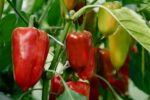
Tomatoes
Tomatoes are one of the easiest and most productive container crops.
Best varieties:
- Tumbling Tom Red
- Tumbling Tom Yellow
- Cherry Falls
These compact cherry tomato varieties produce masses of sweet fruits throughout summer and are perfect for hanging baskets and patio pots.
Growing tips:
- Place in full sun
- Feed weekly once flowers appear
- Water consistently to prevent splitting
Lettuce and Salad Leaves
Fresh salad crops are ideal for container gardening because they grow quickly and take up very little space.
Good choices:
- Mixed salad leaves
- Rocket
- Cos lettuce
- Oakleaf lettuce
These crops can be harvested repeatedly using the cut-and-come-again method.
Growing tips:
- Sow little and often
- Grow in partial shade during hot weather
- Keep compost moist
Carrots
Carrots grow surprisingly well in deep containers.
Growing them in pots can also help avoid carrot root fly, which struggles to reach elevated containers.
Best varieties:
- Nantes
- Chantenay
- Baby carrot varieties
Growing tips:
- Use deep containers
- Fill with stone-free compost
- Keep evenly watered
Dwarf French Beans
Compact bush beans are excellent for pots and small raised beds.
They are highly productive and easy to grow, even for beginners.
Benefits:
- No staking required
- Quick harvests
- Rich in iron and folate
Growing tips:
- Place in full sun
- Pick regularly to encourage more beans
Climbing Beans
If you want to maximise vertical space, climbing beans are perfect.
Pole beans grow upwards rather than outwards, making them ideal for:
- Trellises
- Bamboo canes
- Obelisks
They also produce impressive harvests in relatively small spaces.
Courgettes
Modern compact courgette varieties are ideal for large containers.
Recommended variety:
- Courgette ‘Buckingham’
This variety produces full-sized courgettes on smaller plants.
Growing tips:
- Use a large container
- Feed regularly
- Water generously during dry spells
Sweet Peppers
Peppers thrive in warm, sheltered patios and greenhouses.
Recommended variety:
- Mini Bell Mixed
These compact plants produce colourful sweet peppers perfect for salads and cooking.
Growing tips:
- Grow in the warmest position possible
- Feed with tomato fertiliser once flowering begins
Chilli Peppers
Chillies are excellent container plants and add colour as well as heat.
Recommended variety:
- Demon Red
This compact chilli plant produces masses of upward-facing fiery peppers.
Growing tips:
- Grow in full sun
- Avoid overwatering
Spring Onions
Spring onions are one of the easiest vegetables to grow in containers.
Recommended variety:
- Apache
These attractive purple-red onions provide continuous harvests throughout the season.
Growing tips:
- Sow little and often
- Grow in shallow troughs or window boxes
Strawberries
Strawberries are perfect for hanging baskets, grow bags, and patio containers.
Recommended variety:
- Cambridge Favourite
This reliable British variety produces sweet, juicy berries in abundance.
Benefits:
- Saves ground space
- Keeps fruit away from slugs
- Attractive trailing growth
Herbs for Containers
Herbs are among the best edible plants for container gardening.
Good choices include:
- Basil
- Thyme
- Rosemary
- Dill
- Parsley
- Mint
They are compact, productive, and incredibly useful in the kitchen.
Fruit and Other Edible Plants for Containers
You are not limited to vegetables alone. Many fruits also thrive in containers.
Try growing:
- Blueberries
- Alpine strawberries
- Goji berries
- Figs
- Rhubarb
Using containers allows you to grow plants that may otherwise struggle in your soil conditions.
Flowers for a Container Garden
Mixing flowers into your vegetable containers helps attract pollinators and creates a more beautiful display.
Excellent container flowers include:
- Lavender
- Petunias
- Heuchera
- Osteospermum
- Begonias
- Pansies
- Geraniums
- Agapanthus
- Skimmia
Combining flowers and vegetables can turn a practical patio into a vibrant ornamental feature.
Essential Container Gardening Tips
Choose the Right Pot Size
Larger containers hold more moisture and nutrients, helping plants thrive.
As a guide:
- Herbs: small pots
- Tomatoes: medium to large pots
- Courgettes: very large containers
- Carrots: deep containers
Ensure Good Drainage
Always use containers with drainage holes to prevent waterlogging.
Adding crocks or gravel at the base can improve drainage further.
Use Quality Compost
A high-quality peat-free compost provides:
- Nutrients
- Moisture retention
- Healthy root development
Avoid using poor garden soil in containers.
Water Regularly
Containers dry out much faster than borders, especially during summer.
Check compost daily in warm weather.
Feed Plants Frequently
Vegetables in pots quickly use up nutrients.
Use:
- Liquid tomato feed
- Seaweed fertiliser
- Balanced organic feeds
during the growing season.
Make Use of Vertical Space
Vertical gardening is one of the best ways to maximise a small area.
Use:
- Hanging baskets
- Wall planters
- Trellises
- Arches
- Tomato towers
to increase productivity without taking up extra ground space.
Frequently Asked Questions
What vegetables grow best in containers?
Tomatoes, lettuce, carrots, beans, peppers, chillies, herbs, and strawberries are among the easiest and most productive container crops.
How often should container vegetables be watered?
Most vegetables in pots require regular watering during summer, often daily during hot weather.
Can you grow potatoes in containers?
Yes. Potatoes grow extremely well in large tubs, grow bags, and potato planters.
What is the best compost for container vegetables?
A good-quality peat-free multipurpose compost with added organic matter is ideal.
Final Thoughts
Container gardening is one of the best ways to grow fresh food in modern gardens. Whether you have a small patio, a balcony, or simply a sunny corner, containers allow you to make the most of every inch of space.
With the right vegetables, quality compost, and a little creativity, you can enjoy delicious home-grown produce throughout the growing season while transforming even the smallest outdoor space into a thriving edible garden.