What are Sempervivums?
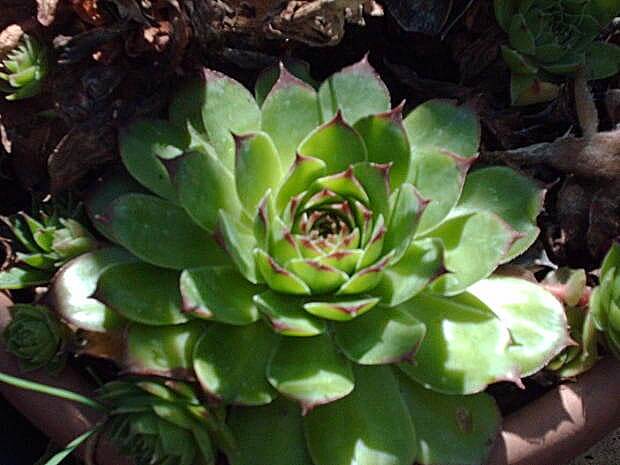
Sempervivums are among the most resilient, low-maintenance and visually striking plants you can grow in a garden.
Commonly known as houseleeks, hens and chicks, or simply liveforevers, these fascinating succulents form tight rosettes of fleshy leaves that spread naturally to create dense, living carpets of colour and texture.
Native to mountainous regions across Southern Europe, the Middle East and parts of Central Asia, Sempervivums are perfectly adapted to survive extreme conditions—scorching sun, freezing temperatures, poor soils and long periods of drought.
For gardeners in the UK and beyond, they offer an ideal solution for low-maintenance, drought-tolerant planting schemes.
In a world where summers are becoming increasingly warm and dry, Sempervivums are more relevant than ever.
What Are Sempervivums?
Sempervivum is a genus of hardy succulent plants in the Crassulaceae family.
They are characterised by:
- Rosette-shaped growth
- Thick, water-storing leaves
- Low, spreading habit
- Ability to produce offsets (“chicks”)
- High tolerance to drought and cold
The name Sempervivum literally means “always living”—a reference to their incredible resilience.
Unlike many succulents that require indoor protection, Sempervivums are fully hardy in most UK climates and thrive outdoors year-round.
Why Sempervivums Are Perfect for UK Gardens
Sempervivums are particularly well-suited to modern gardening challenges.
Drought Tolerance
Their thick leaves store water efficiently, allowing them to survive long dry spells without irrigation.
Frost Hardiness
Unlike many succulents, Sempervivums can withstand freezing temperatures, making them ideal for outdoor rockeries and containers.
Poor Soil Tolerance
They thrive in nutrient-poor, gritty soils where many other plants would struggle.
Low Maintenance
Once established, they require almost no care beyond occasional tidying.
Climate Resilience
As UK summers become hotter and drier, Sempervivums are increasingly valuable in sustainable, water-wise gardening.
The Unique Growth Habit of Sempervivums
Sempervivums grow in a distinctive pattern:
- The main plant (the “hen”) produces offsets (the “chicks”)
- These chicks form new rosettes around the parent plant
- Over time, they spread into dense clusters
This natural propagation creates attractive ground cover that expands year after year without intervention.
Eventually, the original rosette will flower, produce seed, and die back—but not before leaving behind a new generation of plants.
A Stunning Range of Colours and Forms
One of the most appealing aspects of Sempervivums is their incredible diversity.
There are dozens of species and hundreds of cultivated varieties, offering:
- Deep green rosettes
- Ruby reds and burgundy tones
- Soft pink and rose shades
- Purple and violet hues
- Bronze, copper and orange varieties
- Variegated forms with mixed colouring
Leaf shapes also vary, from tightly packed geometric rosettes to more open, spidery forms.
This makes Sempervivums highly useful for:
- Rock gardens
- Alpine troughs
- Gravel beds
- Container displays
- Living roofs
- Decorative pots
How to Grow Sempervivums Successfully
Growing Sempervivums is simple, but a few key conditions will ensure strong growth.
Sunlight Requirements
Sempervivums prefer:
- Full sun or very bright light
- At least 6 hours of direct sunlight daily
Too much shade can lead to weak growth and loss of colour intensity.
Soil Type
Drainage is critical.
Ideal soil includes:
- Gritty, sandy soil
- Alpine compost mix
- Poor, low-nutrient substrates
Avoid heavy clay or waterlogged areas unless improved with grit or gravel.
Planting Sempervivums
When planting:
- Choose a sunny, well-drained location
- Add grit or gravel to improve drainage if needed
- Plant rosettes so the base sits just above soil level
- Space plants to allow for natural spreading
- Water lightly after planting, then allow to establish
Watering Requirements
Sempervivums are drought-tolerant but still need some water during establishment.
After planting:
- Water lightly once or twice a week for a few weeks
Once established:
- Only water during prolonged dry periods
- Avoid overwatering completely
Overwatering is the most common cause of failure.
Propagation: How Sempervivums Multiply
Sempervivums are one of the easiest plants to propagate.
Offsets (Chicks)
- Gently remove small rosettes forming around the parent plant
- Replant them directly into soil or pots
- They root quickly without special treatment
Division
Large clumps can be divided and replanted to create new displays.
Seed (Less Common)
Sempervivums can be grown from seed, but this method is slower and more variable.
Using Sempervivums in Garden Design
Sempervivums are extremely versatile in garden design.
Rock Gardens
Their alpine origin makes them perfect for rocky, free-draining environments.
Containers and Pots
They thrive in shallow containers, troughs and decorative bowls.
Gravel Gardens
Sempervivums combine beautifully with stones, gravel and other drought-tolerant plants.
Living Roofs
Their shallow roots and drought tolerance make them ideal for green roofs.
Edging Plants
They create striking low borders along paths and raised beds.
Benefits for Wildlife and Biodiversity
While not a major pollinator plant, Sempervivums do provide ecological value:
- Flowers attract bees and small pollinators
- Dense rosettes offer shelter for small insects
- They support low-maintenance, pesticide-free gardening systems
They work particularly well when combined with pollinator-friendly plants such as lavender, thyme and wildflowers.
Common Problems and Solutions
Root Rot
Caused by excess moisture.
Solution: Improve drainage and avoid overwatering.
Fading Colour
Usually caused by shade.
Solution: Move to a sunnier location.
Sparse Growth
Often due to poor soil or lack of space.
Solution: Allow more room and ensure gritty compost.
Why Sempervivums Are a Sustainable Gardening Choice
Sempervivums align perfectly with modern sustainable gardening practices.
They:
- Require minimal water
- Thrive without fertiliser
- Reduce maintenance needs
- Support biodiversity
- Grow in poor soils
- Last for many years with minimal input
As climate conditions change, plants like Sempervivums will become increasingly important in designing resilient gardens.
Frequently Asked Questions
Are Sempervivums indoor or outdoor plants?
They are best grown outdoors. While they can be kept indoors temporarily, they require full sun and excellent airflow to thrive long-term.
Do Sempervivums need a lot of water?
No. They are drought-tolerant and prefer dry conditions. Overwatering is harmful.
How fast do Sempervivums spread?
They spread slowly but steadily through offsets, forming larger clumps over time.
Do Sempervivums flower every year?
Each rosette flowers once in its lifetime, usually after several years, then dies back after producing offsets.
Are Sempervivums frost hardy?
Yes. They are fully hardy in the UK and tolerate freezing temperatures well.
Can Sempervivums grow in pots?
Yes. They are excellent container plants as long as drainage is excellent.
Further Reading
To explore more drought-tolerant and low-maintenance gardening ideas, see:
The Allotment Garden
https://www.theallotmentgarden.co.uk/rock-garden-plants/
https://www.theallotmentgarden.co.uk/flowers/
External Resources
https://www.gardenersworld.com
https://www.gardenorganic.org.uk
https://www.alpinegardensociety.net
Final Thoughts
Sempervivums are a perfect example of how beauty and resilience can exist together in the garden.
They require almost no maintenance, thrive in difficult conditions, and provide year-round structure and colour.
For gardeners looking to create sustainable, low-water landscapes that still feel alive and vibrant, Sempervivums are one of the most reliable and rewarding plants you can grow.
Sometimes the toughest plants are also the most beautiful.