Even though it’s cold outside, winter gardening allows you to keep your garden thriving during the colder months. Winter is an important time to prepare your garden beds and plan for the spring planting season ahead.
With some planning and preparation now, you can ensure your gardening efforts lead to a productive and beautiful garden all year round. The following guide will give you all you need to know about getting the most out of your garden this winter.
Jobs to do in the Winter Garden
- Clean up fallen leaves, branches, and other debris. This helps to keep disease and pests at bay in the garden. Leaves and debris can be composted or used as mulch in the winter.
- Pruning trees, shrubs, and perennials after they have gone dormant shapes plants and promotes new growth in the spring. An import task in winter gardening.
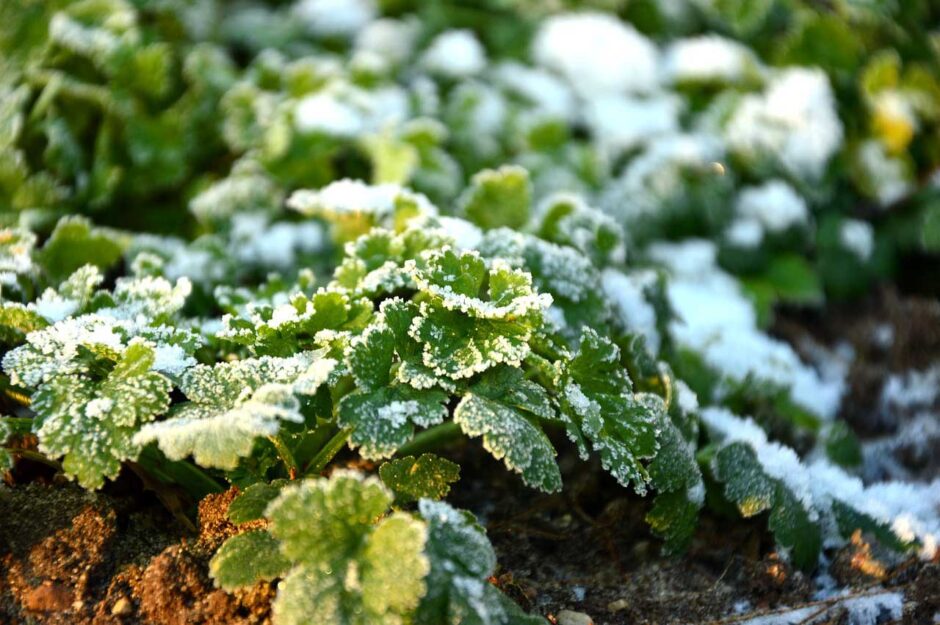
- Cold frames, cloches, and hessian wraps can be used to protect vulnerable plants from frost and wind damage.
- Begin planning your spring vegetable garden. Now is a good time to look back at what went well last year and make plans for rotation planting.
- Apply compost and fertilisers. Compost and fertiliser applied in the winter are ready for planting in the spring.
- Plant cover crops such as clover or rye to suppress weeds, prevent soil erosion, and add nutrients to the soil.
Vegetable Plants to Grow During Winter
Hardy plants that can withstand cold winter temperatures while still adding beauty and interest to the winter garden include:
Green Leaf Vegetables
Kale, spinach, and Swiss chard are nutritious leafy greens that can be grown in many areas during the winter months. Cool-weather is ideal for these plants.
Kale
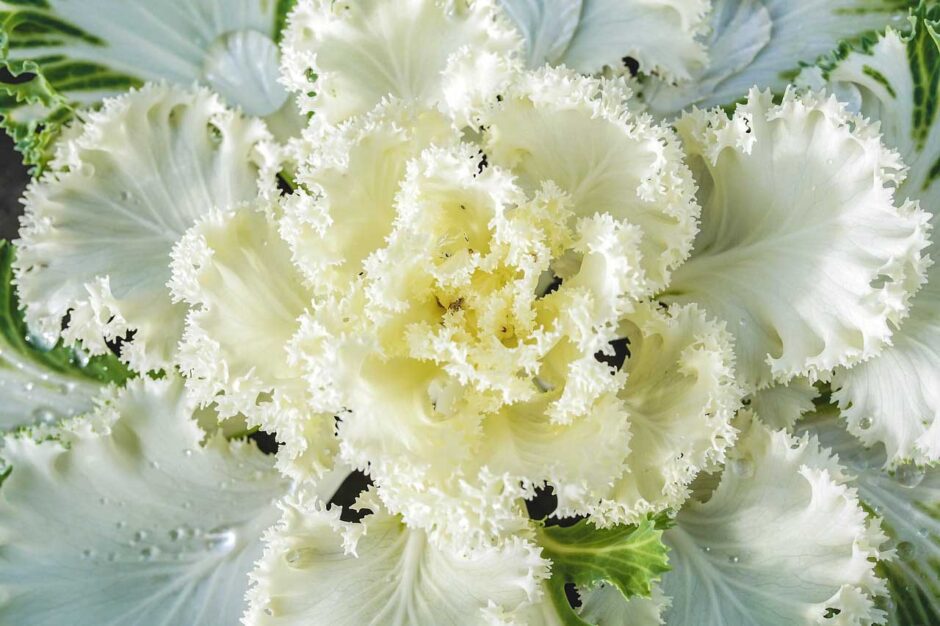
Kale prefers temperatures ranging from 45 to 75°F and can withstand frosts and light freezes. Curly kale varieties such as Winterbor and Redbor can withstand cold temperatures. Direct sow seeds in late summer or plant transplants in early autumn for a winter crop. Kale will continue to produce leaves throughout the winter.
Spinach
Spinach germinates best at soil temperatures ranging from 35 to 75°F. Directly sow seeds in the garden 4-6 weeks before the first frost date. Select cold-tolerant spinach varieties such as Space, Tyee, and Winter Bloomsdale. In late autumn, apply a layer of mulch to protect plants from hard freezes. Harvest spinach leaves on a regular basis.
Swiss chard
Swiss chard is extremely cold-tolerant, surviving temperatures as low as 10 to 15 °F when fully mature. Start seeds in the summer for autumn and winter harvests, and transplant seedlings 8 weeks before the first frost. Row covers can be used to protect plants as needed. Swiss chard’s colourful stems and leaves make it a lovely addition to winter gardens.
Arugula (Rocket)
Grow rocket, also known as arugula, all winter long since it is a fast-growing, cold-tolerant green. In mild climates, treat the perennial rocket plant as a seasonal annual. It grows best in sunny, well-drained locations with average soil. Directly sow seeds in the garden 2-3 weeks before a hard frost. Rows should be 12 inches apart. Arugula prefers consistent moisture, so avoid completely drying out the soil.
When young, the plants form loose rosettes of dark green, deeply lobed leaves with a spicy, peppery bite. Leaves should be harvested while they are still small and tender. Cutting Rocket frequently encourages regrowth and allows for continuous winter harvests.
The cold enhances the flavour of the rocket. Its peppery zing elevates winter salads and sandwiches. If temperatures fall into the teens, cover plants with cloches or cold frames. Homegrown Rocket can be harvested fresh from the garden all winter with minimal care.
Mustard
Grow mustard greens in cool weather and plant them for tasty winter harvests. They are available in a variety of leaf colours, shapes, and flavours, ranging from mild baby leaf mustards to the spicy, purple-tinged Red Giant.
Sow seeds directly in late summer or early autumn, 2-3 months before the first expected frost date. Rows should be 12–15 inches apart, with seedlings spaced 6 inches apart. Mustard grows quickly and can be harvested in three to four weeks. Cut the outer leaves on a regular basis, leaving the centre growth alone. This continuous harvesting encourages the growth of new leaves.
Mustard has a naturally spicy, peppery bite that intensifies in the cold of winter. If temperatures fall below the mid-20s F, cover plants with cloches or cold frames. Home gardeners can enjoy the distinct flavour of fresh mustard greens straight from the garden all winter with little effort.
Kale, spinach, Swiss chard, and other leaf vegetables will reward you with fresh greens all winter if you protect them from the cold.
Cold-hardy herbs
Many culinary herbs can be grown during the colder winter months. Parsley, Thyme, Sage, and Rosemary are particularly cold-hardy.
Thyme
Herbs, such as Thyme grow well in cold weather. When established, both common and lemon thyme can withstand temperatures as low as 10–15 °F. Plant thyme transplants in autumn or sow seeds 6–8 weeks before the first frost. Thyme retains flavour and aroma better in the winter than in the summer.
Parsley
Parsley is a biennial that can withstand light freezes and cold snaps. Curly and flat-leaf varieties do well over winter. In late summer, direct sow seeds or plant out transplants for winter harvests. During periods of extreme cold, parsley may require row cover protection.
Sage & Rosemary
In many areas, sage and rosemary are semi-hardy perennials. Established plants require good drainage and can withstand temperatures ranging from 15–20 °F. Plant them in the spring, and move potted plants to a cooler location if temperatures fall below freezing. In the late winter, prune back frost-damaged stems.
Most herbs continue to grow well into the autumn and then go dormant or semi-dormant in the winter. With a little extra care and protection from the elements, you can harvest fresh herbs from your garden all year. Winter’s cooler temperatures often intensify their flavours.
Other vegetables to consider growing For winter gardening
Leeks, parsnips, sprouts, and broccoli.
Winter Blooming Shrubs
While most shrubs bloom in the spring and summer, there are a few that add a splash of colour to winter gardens. These winter bloomers add interest to the landscape when much of it is dormant.
Azaleas
Azaleas begin blooming in late winter and early spring and add sparkle to winter gardening. Southern Indica hybrids such as Arabia, Judge Solomon, and Girard Renee are suitable for cold climates. Give your azaleas afternoon shade and sandy, acidic soil.
Mahonia
From late autumn to winter, Mahonia aquifolium, also known as Oregon grape holly, produces fragrant, bright yellow flower clusters. Other mahonia species and cultivars extend the blooming season in the winter. Mahonias grow best in part shade and moist, well-drained soil.
Heathers
In the winter, several heather cultivars bloom. Erica carnea is a small evergreen shrub that blooms in late winter and early spring with bell-shaped pink or white flowers. Heathers thrive in full sun and sandy, acidic soil.
Witch Hazel
Witch hazel is a large shrub prized for its spidery, fragrant winter blooms in yellow, orange, and red. Late winter bloomers include common witch hazel (Hamamelis virginiana) and hybrid cultivars such as ‘Arnold Promise’.
Keep an eye out for flowers on these winter beauties when the rest of the garden is dormant. Add one or more to your landscape for a splash of colour in the winter.
Winter-flowering bedding plants
Add interest to winter gardening by growing bedding plants that provide colour during the colder months, even though most bedding plants bloom in spring and summer. Here are some examples of bedding plants that bloom in the winter:

Pansies & Violas
Pansies and violas are extremely cold-hardy, often blooming right up until the first frost and then again in early spring. The variety of flower colours, patterns, and sizes allows for innovative pairings. For the best winter performance, plant them in the autumn. Row covers can be used to protect against hard freezes.
Ornamental kale & cabbage
Grow biennial kale and cabbage for their distinctive leaf colours and textures. Winter gardening pots and beds benefit from varieties such as Peacock kale, Crane red cabbage, and Winterbor kale. They prefer cool temperatures.
Snapdragons
Snapdragons thrive in cool weather and frost. Colourful spikes are provided by Tall Rocket, Montego, and other hybrids. Plant in the autumn and cut back after hard frosts.
Cyclamen and primroses
Cyclamen and primroses thrive in cool weather and bloom from winter to spring. They can be used as accents in mixed plantings. Beds and containers can stay colourful all winter with the right plant choices. On cold days, these cool-weather blooms provide pockets of warmth.
Snowdrops
Snowdrops are a traditional winter flower that blooms during the coldest, darkest months. In late winter and early spring, these small bulbs produce nodding, bell-shaped white blossoms. Snowdrops (Galanthus spp.) grow quickly and form drifts in shady areas. Plant bulbs at a depth 2-3 times their height and 4 inches apart in the autumn.
The common snowdrop (G. elwesii) and giant snowdrop (G. elwesii) are both cold-hardy and deer-resistant. Snowdrops go dormant in the summer, so pair them with bulbs that bloom later, such as daffodils. Flowers peeking through the snow are a hopeful sign that winter is coming to an end. Allow snowdrops to naturalise under trees and shrubs for an everlasting winter display.
Hellebores
Hellebores’ stunning blooms brighten up the late-winter garden. These perennials have flowers in white, pink, purple, and green that last for months. Hellebores prefer partial shade and rich, well-drained soil. Plant in the autumn for winter blooms. Established plants are extremely drought-resistant.
The Lenten rose (H. orientalis), which blooms in early spring, and the Christmas rose (H. niger), which blooms in mid-winter, are two popular varieties. Hellebores look stunning when planted in drifts beneath shrubs and small trees. Combine them with early bloomers, such as crocuses and winter aconites.
When most plants are still dormant, the nodding blossoms provide a welcome splash of colour. In colder climates, give hellebores winter mulch. A classic addition to winter gardening projects.
Preparing Your Garden for Spring
- Take a soil test to determine the pH and nutrient levels in order to plan soil amendments.
- Shop for seeds. Browse seed catalogues and make a list of varieties you’d like to try this year.
- Tools should be cleaned and repaired before the growing season begins.
- Plant seeds indoors. By starting seeds indoors now, plants will be ready to transplant once the soil warms up. Tomatoes, peppers, and coleus are popular plants to start early.
There are plenty of tasks in the winter garden to keep you busy until spring planting time again. With a little forethought now, you can ensure that your garden is ready to thrive in the coming months. What winter gardening activities do you have planned for this season? Tell me in the comments!
Winter Gardening Problems
Here is an expanded section on potential winter garden problems and how to solve them:
Cold & wet
Winter’s cold, wet weather can cause some problems in the garden. Being aware of these challenges and taking preventative measures can help ensure the health of your winter garden.
Waterlogged Soil
Soils can become overly saturated as a result of heavy rainfall and poor drainage. Plant roots are deprived of oxygen as a result of this. So, before winter, improve drainage by adding compost to heavy soils and planting in raised beds. To prevent erosion, cover the bare soil with mulch.
Freezing Roots
Prolonged temperatures below freezing can damage exposed plant roots. Mound soil, mulch, or other organic material around the base of plants to insulate the roots. Choose cold-hardy plant varieties that are appropriate for your zone.
Bird Attacks
In the winter, birds often feed more aggressively on seed heads, fruit, and plants. To protect vulnerable crops from damage, use netting. To limit the appeal, avoid large expanses of a single plant.
Cabbage Whitefly
The eggs of these pests are laid on winter greens and root crops. Control them by wrapping plants in insect-resistant fabric. Plant with companion plants such as thyme or dill.
Flea Beetles
These tiny pests bore small holes in the leaves. Row covers are the most effective defence. Early on, use warmth-reflective mulch. Beneficial nematodes should be used to target larvae.
Many winter garden issues can be avoided or managed with proper planning and vigilance. So, keep an eye out for changes in soil moisture, weather, and pest activity. Prepare to take cold protection measures as needed. A proactive approach will keep the winter garden in excellent condition.
If you have enjoyed this article about winter gardening, please continue the conversation in the comment section below. I would love to hear from you. Also, you might be interested in reading my other article on Winter Flowers. Here is another great article written by the National Trust on the topic of Gardening Tips for Winter.
Winter Gardening FAQs
What jobs should I be doing in the garden during winter?
I suggest that the best jobs you should be doing in the garden during winter are: planting fruit trees. Prune your roses. Tidy up dead growth.
What plants can I grow in my garden during winter?
Try flowering plants such as Snowdrops, Winter Aconites, Pansies, Voilas and Helleborus. You can also grow vegetables such as Chard, Spinach, Mustard and Broccoli.
How do I prepare my winter garden?
You prepare your winter garden by clearing away anything dead or dying. Remove weeds. Wrap fleece around tender plants.