What Is a Hot Bed?
A hot bed is a traditional gardening technique that uses decomposing organic matter to generate natural heat beneath the soil surface. The method involves digging a trench, filling it with layers of organic materials, manure, and compost, and then covering it with topsoil to create a raised growing mound.
Hot beds were widely used by Victorian gardeners and market growers long before modern greenhouses and electric propagators became available. They remain one of the most economical and environmentally friendly ways to grow crops earlier in the season while simultaneously improving soil fertility.
As the organic materials decompose, beneficial microorganisms break them down and release heat. This gentle warmth raises the soil temperature, encouraging faster seed germination, stronger root development, and earlier harvests. At the same time, the decomposing material enriches the soil with valuable nutrients and organic matter.
A well-constructed hot bed can remain fertile for four years or more, gradually improving soil structure, drainage, and moisture retention as it breaks down. Many gardeners find that crops grown in a hot bed produce larger yields and healthier plants than those grown in ordinary garden soil.
Benefits of Building a Hot Bed
Creating a hot bed offers numerous advantages for both vegetable growers and ornamental gardeners:
- Warms the soil naturally without electricity.
- Allows earlier sowing and planting in spring.
- Extends the growing season into autumn.
- Improves soil fertility for several years.
- Increases microbial activity in the soil.
- Enhances drainage in heavy soils.
- Improves moisture retention in sandy soils.
- Recycles garden waste and organic materials.
- Produces healthier root systems and stronger plants.
- Reduces the need for artificial fertilisers.
Hot beds are particularly useful for growing early salads, carrots, radishes, beetroot, spinach, lettuce, cucumbers, courgettes, pumpkins, melons, and many other vegetables that benefit from warmer soil.
Choosing the Right Location
Select a sunny, sheltered position that receives plenty of direct sunlight throughout the day. South-facing areas are ideal, especially if you plan to use the hot bed for early spring crops.
Avoid low-lying areas that remain waterlogged during winter, as excessive moisture can slow decomposition and reduce heat production.
Consider accessibility when choosing your site. You’ll need to reach all parts of the bed for sowing, weeding, watering, and harvesting without stepping on the growing area.
Preparing the Ground
To create your hot bed, begin by marking out the area with string lines, canes, or spray marker paint. This helps ensure straight edges and a consistent depth throughout the trench.
Dig a trench approximately 12–14 inches (30–35cm) deep. The length can be as long as you wish, but the width should generally be around 3ft (90cm), allowing you to comfortably reach the centre from either side.
If you already have raised beds, consider digging the trench alongside one edge. This makes maintenance easier and allows convenient access from both sides.
Once the trench has been excavated, loosen the soil at the bottom using a garden fork. This improves drainage and encourages roots to penetrate deeper into the soil profile.
Improving Drainage
Good drainage is essential for a successful hot bed.
If your garden has heavy clay soil, place a layer of gravel, coarse stones, broken terracotta pots, or broken crockery at the bottom of the trench. This helps prevent waterlogging and creates air pockets that encourage decomposition.
In free-draining sandy soils, this step is usually unnecessary.
Building the Hot Bed Mound
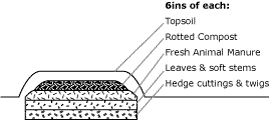
The secret to a productive hot bed lies in layering different organic materials. Each layer contributes to heat generation, fertility, and long-term soil improvement.
Layer 1: Woody Material
Fill the bottom 6–8 inches (15–20cm) of the trench with:
- Hedge trimmings
- Prunings
- Small branches
- Twigs
- Wood chippings
This coarse material creates air spaces that encourage aerobic decomposition and improve drainage.
Layer 2: Green Garden Waste
Add approximately 6 inches (15cm) of:
- Fresh leaves
- Soft stems
- Grass clippings
- Annual plant debris
- Vegetable trimmings
These nitrogen-rich materials help speed up decomposition.
Layer 3: Fresh Animal Manure
Add a 6-inch (15cm) layer of fresh manure.
Horse manure is traditionally regarded as the best material for hot beds because it heats rapidly as it decomposes. However, fresh manure from cattle, sheep, goats, or poultry can also be used.
Avoid manure contaminated with persistent herbicides, which can damage crops.
Layer 4: Well-Rotted Compost
Spread a further 6 inches (15cm) of mature garden compost or well-rotted organic matter.
This layer introduces beneficial microorganisms and helps create a gradual transition between the fresh manure below and the growing medium above.
Layer 5: Topsoil
Finally, replace approximately 6 inches (15cm) of the excavated topsoil to form the growing surface.
Shape the soil into a gentle mound. The raised profile improves drainage and provides additional rooting depth for crops.
How a Hot Bed Generates Heat
The warmth produced by a hot bed comes from millions of microorganisms feeding on the organic materials buried beneath the soil.
As bacteria and fungi break down manure, leaves, and plant material, they release energy in the form of heat. Temperatures inside the decomposing layers can often exceed 50°C (122°F), although the soil surface remains at a much safer level for plant growth.
This natural heating effect can warm the root zone for several weeks or even months, depending on the materials used and local weather conditions.
The result is faster germination, stronger seedlings, and earlier harvests compared with conventional beds.
Planting Your Hot Bed
Once the hot bed has been built, allow it to settle for a few days before planting.
Suitable crops include:
- Lettuce
- Rocket
- Spinach
- Radishes
- Spring onions
- Beetroot
- Carrots
- Early potatoes
- Cucumbers
- Courgettes
- Squash
- Pumpkins
- Melons
You can also use the bed as a natural propagation area for raising young vegetable plants before transplanting them elsewhere in the garden.
Monitoring Temperature
The heart of your hot bed is the decomposing organic layer beneath the soil.
Use a soil thermometer to regularly monitor temperatures. Ideally, aim for soil temperatures between 18–20°C (64–68°F) for seed germination and young plants.
During the first few weeks, temperatures may rise significantly as decomposition becomes more active. If the bed becomes excessively hot, allow it to cool slightly before sowing seeds.
Maintaining the Internal Furnace
As the season progresses, the hot bed will gradually cool.
To retain warmth:
- Apply straw around the edges during cold weather.
- Use fleece or cloches over young plants.
- Add organic mulch to conserve heat and moisture.
- Avoid compacting the soil by stepping on the bed.
If temperatures begin to fall rapidly, additional insulation around the outside of the mound can help preserve warmth. However, avoid over-insulating, as excessive heat can damage roots and seedlings.
Long-Term Soil Improvement
One of the greatest advantages of a hot bed is what happens after the initial heating phase ends.
As the buried materials continue breaking down, they create a deep reservoir of organic matter that improves soil structure year after year. Earthworms are attracted to the rich environment, helping to aerate the soil and recycle nutrients naturally.
Many gardeners report improved crop performance for four years or longer after building a hot bed, making it one of the most rewarding investments of time and effort in the vegetable garden.
Final Thoughts
A hot bed is an excellent way to combine traditional gardening wisdom with modern sustainable growing practices. By transforming garden waste, manure, and compost into a naturally heated growing area, you can sow crops earlier, harvest for longer, and improve your soil at the same time.
Whether you’re growing vegetables on an allotment or creating a productive kitchen garden at home, a well-built hot bed can provide years of improved fertility, healthier plants, and larger harvests with very little ongoing maintenance.
Frequently Asked Questions About Hot Beds
What is the difference between a hot bed and a raised bed?
A raised bed is simply a growing area elevated above ground level, usually filled with topsoil and compost. A hot bed contains layers of decomposing organic material beneath the soil surface, generating natural heat that warms the growing area and encourages earlier crop growth.
How long does a hot bed stay warm?
A hot bed typically produces useful heat for several weeks to several months, depending on the materials used. Fresh horse manure generally creates the most heat. Even after the heating effect has ended, the bed will remain fertile for four years or more.
What is the best manure for a hot bed?
Fresh horse manure is traditionally considered the best choice because it heats rapidly during decomposition. Fresh cattle, sheep, goat, and poultry manure can also be used, although they may not generate as much heat.
Can I build a hot bed without manure?
Yes. While manure produces the greatest heating effect, a hot bed can be created using layers of green garden waste, grass clippings, leaves, compost, and other organic materials. The heat generated may be lower but the soil-improving benefits remain.
When is the best time to build a hot bed?
Autumn and winter are ideal times to build a hot bed. This allows the organic materials to begin decomposing before spring planting. However, hot beds can be built at any time of year.
Which vegetables grow best in a hot bed?
Many vegetables thrive in the warmer conditions provided by a hot bed, including lettuce, spinach, carrots, radishes, beetroot, cucumbers, courgettes, pumpkins, squash, melons, and early potatoes.
How deep should a hot bed be?
For most gardens, a trench 12–14 inches (30–35cm) deep provides sufficient space for the organic layers while allowing a good depth of topsoil for planting.
Do hot beds attract pests?
A properly constructed hot bed rarely attracts pests. Avoid adding meat, dairy products, or cooked food waste. Covering the organic materials with a generous layer of soil also discourages rodents and other unwanted visitors.
Can I use a hot bed in a raised bed?
Yes. Many gardeners build hot beds inside raised beds by excavating the growing area and filling it with layers of organic material before replacing the soil. This combines the benefits of both gardening methods.
How often should I rebuild a hot bed?
Most hot beds remain productive for at least four years. Once the mound has largely settled and fertility begins to decline, the bed can be rebuilt or topped up with additional organic matter.
Further Reading
If you enjoyed learning about hot beds, these related articles will help you improve soil fertility, grow stronger crops, and get more from your allotment:
On The Allotment Garden
- Hot Bed – How to Build and Maintain for a Longer Cropping Season
- Composting 101: Turn Kitchen Scraps into Nutrient-Rich Garden Soil
- Sowing Seeds – A Beginner’s Guide
- Veg Gardening Made Easy – A Beginner Guide to Growing Your Own Food
- Easiest Vegetables to Grow in the UK
- Growing Courgettes – A Guide to Getting a Good Crop
- Vegetables to Grow in Containers
- Attractive Vegetables That Double as Ornamental Plants
Recommended External Resources
- Royal Horticultural Society (RHS) – Guides to soil improvement, composting and vegetable growing.
- Garden Organic – Organic gardening advice, composting techniques and soil care.
- Charles Dowding – No-dig gardening methods and soil improvement techniques.
A hot bed is one of the oldest and most effective ways to warm soil naturally, recycle garden waste and improve fertility. Combined with good composting practices and regular additions of organic matter, it can transform even poor soil into a highly productive growing area for years to come.


