British Wild Flowers: Restoring Native Beauty and Biodiversity in the UK
British wild flowers are one of the most beautiful and ecologically important features of the countryside.
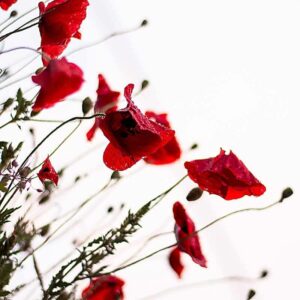
From the delicate sway of poppies in cornfields to the carpets of bluebells in ancient woodlands, these native plants have shaped the visual identity of Britain for thousands of years.
Yet today, many wildflower species are in serious decline.
Modern agriculture, urban expansion, intensive mowing practices, and habitat loss have all contributed to a dramatic reduction in wildflower-rich meadows across the UK.
This decline is not just a loss of beauty—it is a loss of biodiversity, pollinators, and ecological stability.
Why British Wild Flowers Are So Important
Wild flowers are far more than decorative plants. They are foundational species in natural ecosystems.
Biodiversity Support
Wildflowers provide:
- Nectar for bees and butterflies
- Seeds for birds
- Habitat for insects and larvae
- Shelter for small wildlife
A single wildflower meadow can support hundreds of species.
Pollinator Lifeline
Many native pollinators depend on wildflowers for survival.
Without them:
- Bee populations decline
- Butterfly numbers drop
- Ecosystems become less stable
Wildflowers are directly linked to food production, as pollinators are essential for fruit and vegetable crops.
Soil Health and Ecosystem Balance
Wildflower roots help:
- Stabilise soil
- Improve soil structure
- Support underground microbial life
They are a key part of healthy, living ecosystems.
Why Are British Wild Flowers Declining?
The loss of wildflowers is largely driven by human activity.
Intensive Agriculture
Modern farming often involves:
- Herbicide use
- Monoculture crops
- Removal of hedgerows
- Frequent mowing and ploughing
This leaves little space for wild plants to survive.
Urban Development
Expanding towns and cities replace natural habitats with:
- Concrete
- Roads
- Buildings
- Managed lawns
Wildflower habitats are fragmented or destroyed entirely.
Over-Managed Green Spaces
Even parks and gardens can contribute to the problem when:
- Grass is cut too frequently
- “Weeds” are removed aggressively
- Wild areas are not allowed to grow
The Hidden Crisis in Our Countryside
The decline of wildflowers is often overlooked, yet it has serious consequences.
When wildflowers disappear:
- Insect populations collapse
- Bird numbers decline
- Food chains become disrupted
- Ecosystems lose resilience
This is sometimes referred to as the “silent loss of nature”—a gradual change that is easy to miss until the damage is already severe.
How to Restore British Wild Flowers
The good news is that wildflowers are resilient.
With the right conditions, they can return quickly—even in small spaces.
One of the most effective ways to support their revival is by growing them in gardens, allotments and community spaces.
Creating a Wildflower Garden at Home
Even a small patch of land can make a difference.
Step 1: Choose the Right Location
Wildflowers thrive in:
- Sunny areas
- Poor or low-nutrient soil
- Unfertilised ground
Avoid overly rich soil, which encourages grass growth instead.
Step 2: Prepare the Ground
To create a wildflower area:
- Remove existing grass or weeds
- Rake soil to loosen the surface
- Avoid adding fertiliser or compost
- Create a fine seedbed
Wildflowers prefer competition-free, low-fertility conditions.
Step 3: Choose Native British Wildflower Seeds
It is essential to select native species or properly certified UK wildflower mixes.
Common British wildflowers include:
- Cornflower
- Poppy
- Oxeye daisy
- Foxglove
- Knapweed
- Self-heal
- Red campion
- Meadow buttercup
- Wild carrot
- Yarrow
Native mixes support local wildlife far better than imported species.
Step 4: Sow the Seeds
- Scatter seeds evenly over prepared soil
- Lightly press them into the surface
- Do not bury deeply
- Water gently if conditions are dry
Step 5: Minimal Maintenance
One of the best things about wildflowers is how little care they need.
Maintenance typically involves:
- One or two cuts per year
- Removing cut material after flowering
- Avoiding fertiliser and pesticides
Less interference equals better results.
The Problem with Non-Native Wildflower Mixes
Not all wildflower seed packets are equal.
Some commercial mixes include:
- Non-native species
- Invasive plants
- Fast-growing grasses that dominate native flowers
These can harm local ecosystems rather than support them.
Always check:
- “UK native species” labelling
- Reputable suppliers
- RHS-approved seed sources where possible
Wild Flowers and Climate Resilience
Wildflowers play an important role in climate resilience.
They help:
- Store carbon in soils
- Reduce erosion
- Support drought-resistant ecosystems
- Improve pollinator stability
Their ability to thrive in poor soils makes them ideal for changing climate conditions.
Wildlife Benefits of Wildflower Gardens
A wildflower patch quickly becomes a mini-ecosystem.
You may attract:
- Bees and bumblebees
- Butterflies
- Hoverflies
- Beetles
- Birds
- Small mammals
Even a small garden can become a valuable wildlife corridor.
Wildflowers in Urban Spaces
Wildflowers are not limited to countryside settings.
They can thrive in:
- Roadside verges
- Roundabouts
- Balconies (in containers)
- School gardens
- Community green spaces
Urban wildflower planting is one of the fastest-growing conservation efforts in the UK.
Frequently Asked Questions
Why are British wildflowers important?
They support pollinators, wildlife, soil health and overall biodiversity.
Can I grow wildflowers in my garden?
Yes. Even small garden patches can support native wildflowers and wildlife.
Do wildflowers need rich soil?
No. They actually grow best in poor, low-nutrient soil.
When is the best time to sow wildflower seeds in the UK?
Spring (March–May) or early autumn (August–October) are ideal.
Do wildflowers come back every year?
Some are annuals, some perennials. Many will self-seed naturally.
Further Reading
Explore more wildlife and sustainable gardening topics:
The Allotment Garden
https://www.theallotmentgarden.co.uk/bug-boxes/
https://www.theallotmentgarden.co.uk/wildlife-garden/
External Resources
https://www.woodlandtrust.org.uk
Final Thoughts
British wildflowers are not just part of our landscape—they are part of our identity and ecological heritage.
Their decline is a warning sign, but also an opportunity.
By dedicating even a small part of our gardens to native wildflowers, we can help rebuild ecosystems, support pollinators, and restore natural balance.
Every patch of wildflowers, no matter how small, becomes a step toward recovery.
And collectively, those small steps can reshape the future of our countryside.