Wildlife gardening is one of the most rewarding things a gardener can do. Not only does it help support declining populations of birds, bees, butterflies and other creatures, but it also creates a healthier and more balanced garden ecosystem.
Whether you have a large country garden, a suburban plot, an allotment or even a small urban courtyard, there are countless ways to make your outdoor space more welcoming to wildlife.
The good news is that helping nature doesn’t require expensive equipment or large amounts of land. Often, a few simple changes can transform an ordinary garden into a thriving haven for wildlife.
Why Wildlife Needs Our Help
Across the UK, many species have experienced significant declines over recent decades.
The causes are varied and include:
- Urban development
- Loss of hedgerows and wildflower meadows
- Intensive farming practices
- Pesticide use
- Habitat fragmentation
- Climate change
Many insects, birds, amphibians and small mammals now struggle to find suitable places to feed, breed and shelter.
Yet there is reason for optimism.
There are over 15 million gardens in Britain. Collectively, these gardens cover a larger area than many of our nature reserves. By making our gardens wildlife-friendly, we can create an interconnected network of habitats that supports biodiversity across towns, cities and the countryside.
The Benefits of a Wildlife Garden
Encouraging wildlife isn’t just good for nature.
Many creatures actively help gardeners by:
- Pollinating fruit and vegetables
- Controlling pests naturally
- Improving biodiversity
- Creating healthier ecosystems
- Increasing garden productivity
A wildlife-friendly garden often requires fewer pesticides and becomes more self-regulating over time.
Create a Pond for Frogs and Toads
One of the most effective ways to attract wildlife is by adding water.
A garden pond can quickly become home to:
- Frogs
- Toads
- Newts
- Dragonflies
- Water beetles
- Birds
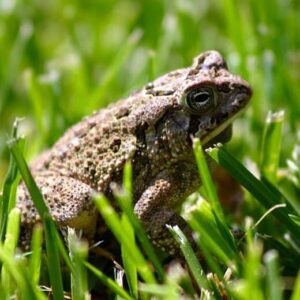
Frogs and toads are particularly valuable because they consume large numbers of slugs, snails and insects.
Even a small wildlife pond can have a significant impact.
Safety Note
If young children regularly use the garden, ensure any pond is properly protected or consider a shallow wildlife pond with gently sloping sides.
Provide Shelter and Hiding Places
Many wildlife species require shelter throughout the year.
Simple features can make a big difference:
Log Piles
Dead wood provides habitat for:
- Beetles
- Woodlice
- Amphibians
- Hedgehogs
Rock Piles
Stone piles create warm crevices for insects and shelter for frogs and toads.
Leaf Piles
A pile of autumn leaves can provide winter refuge for:
- Hedgehogs
- Insects
- Amphibians
Dense Planting
Native shrubs and ornamental grasses create valuable cover for birds and beneficial insects.
Feeding Garden Birds
Birds are among the easiest wildlife to attract.
Popular Bird Foods
- Sunflower hearts
- Peanuts
- Suet products
- Seed mixes
- Mealworms
Place feeders where birds can quickly reach cover if threatened by predators.
A thorny shrub beneath a feeder can help discourage cats while providing shelter for smaller birds.
Keep Feeders Clean
Regular cleaning is essential.
Wash feeders using hot water and allow them to dry thoroughly before refilling.
Avoid harsh chemicals and detergents which may harm wildlife.
Plant for Pollinators
Perhaps the most important wildlife-friendly gardening practice is growing nectar-rich flowers.
Bees, butterflies, hoverflies and moths all rely on flowering plants for food.
Pollinating insects play a crucial role in producing many fruits and vegetables.
Without pollinators, crops such as:
- Apples
- Strawberries
- Beans
- Courgettes
- Blackberries
would suffer greatly reduced yields.
Best Flowers for Bees and Pollinators
The following plants are particularly attractive to beneficial insects.
Lavender
A classic pollinator favourite that flowers for many weeks during summer.
Rosemary
Provides nectar early in the season when food sources may be scarce.
Buddleia
Often known as the “butterfly bush”.
Comfrey
One of the most valuable plants for bees and beneficial insects.
Foxgloves
Beautiful native plants adored by bumblebees.
Sedums
Late-season flowers provide vital nectar during autumn.
Campanula
Long flowering and highly attractive to bees.
Scabious
Excellent for butterflies and bees alike.
Penstemons
Reliable summer flowers with a long blooming period.
Honeysuckle
Highly fragrant and particularly attractive to moths.
Sweet Peas
Wonderful fragrance and valuable nectar source.
Angelica
Architectural flowers that attract a wide range of beneficial insects.
Geraniums (Hardy Cranesbills)
Easy to grow and rich in nectar.
Hellebores
Among the earliest flowers available to emerging pollinators.
Cornflowers
A traditional cottage garden favourite that bees love.
Grow Native Plants
Native plants have evolved alongside British wildlife for thousands of years.
Many species depend on them for survival.
Good choices include:
- Foxgloves
- Primroses
- Hawthorn
- Field scabious
- Wild marjoram
- Native honeysuckle
A mixture of native and ornamental plants often creates the best results.
Avoid Pesticides
One of the simplest ways to help wildlife is to reduce or eliminate pesticide use.
Many insecticides kill beneficial insects alongside pest species.
Natural predators often provide excellent control of common garden pests.
Ladybirds, hoverflies, lacewings, frogs and birds all play a valuable role.
Create a Wildflower Area
You don’t need a large meadow to support wildlife.
Even a small patch of long grass and native wildflowers can provide:
- Nectar
- Shelter
- Breeding habitat
- Seed sources
Consider reducing the size of your lawn and dedicating a corner to wildflowers.
The results can be spectacular.
Plant Trees and Shrubs
Trees and shrubs offer some of the richest wildlife habitats available.
Species such as:
- Rowan
- Hawthorn
- Crab apple
- Hazel
provide food, nesting sites and shelter throughout the year.
Encourage Your Neighbours
Wildlife does not recognise garden boundaries.
If neighbouring gardens also provide habitats, a much larger and more effective wildlife corridor is created.
Even small actions can have a significant collective impact.
Wildlife Gardening Through the Seasons
Spring
- Install bird boxes
- Plant pollinator-friendly flowers
- Clean bird feeders
Summer
- Provide water sources
- Allow some areas to grow naturally
- Enjoy increased pollinator activity
Autumn
- Leave seed heads standing
- Create leaf piles
- Plant spring-flowering bulbs
Winter
- Continue feeding birds
- Leave some areas undisturbed
- Provide shelter for hibernating wildlife
Frequently Asked Questions
What is a wildlife garden?
A wildlife garden is designed to provide food, water, shelter and breeding habitats for birds, insects, amphibians and other wildlife.
Do wildlife gardens look untidy?
Not at all. Wildlife-friendly features can be incorporated into both formal and informal gardens.
What is the best plant for bees?
Lavender, comfrey, borage, foxglove and buddleia are all excellent choices.
How can I attract frogs to my garden?
A pond, damp shady areas, log piles and pesticide-free gardening all help attract frogs.
Should I feed birds all year round?
Yes. Natural food supplies can be limited during both winter and the breeding season.
Can I create a wildlife garden in a small space?
Absolutely. Even balconies and small courtyards can support pollinators and birds through careful planting.
Further Reading
More Wildlife Gardening Advice
Recommended External Resources
- Royal Horticultural Society – Gardening for Wildlife
https://www.rhs.org.uk/science/conservation-biodiversity/wildlife - The Wildlife Trusts – Wildlife Gardening
https://www.wildlifetrusts.org/gardening - RSPB – Giving Nature a Home
https://www.rspb.org.uk/helping-nature - Bumblebee Conservation Trust
https://www.bumblebeeconservation.org - Froglife – Amphibian Conservation
https://www.froglife.org
Final Thoughts
Wildlife gardening isn’t about abandoning control of your garden. It’s about working with nature rather than against it.
By providing food, water, shelter and safe breeding areas, every gardener can play a small but important role in supporting Britain’s wildlife.
Taken together, millions of wildlife-friendly gardens can become one of the country’s most valuable conservation resources.


