One of the biggest challenges for UK gardeners and allotment holders in early spring is cold soil. Even when air temperatures begin to rise, the ground can remain stubbornly cold and wet, slowing germination and delaying planting.
Warming the soil can make a dramatic difference to early crop success. Warmer soil encourages faster seed germination, stronger root development, and earlier harvests.
In this guide, we’ll explore how soil temperature affects plant growth and how you can use the traditional Victorian hotbed method to naturally warm your soil using organic materials.
Why Soil Temperature Matters
Soil temperature plays a crucial role in plant growth, particularly in early spring when conditions are still unstable.
Benefits of warmer soil include:
- Faster seed germination
- Reduced risk of seed rot
- Stronger root development
- Earlier planting opportunities
- More consistent crop growth
Many vegetable crops simply will not germinate well in cold soil, even if air temperatures seem mild.
How Soil Warms Naturally
Before looking at the hotbed method, it helps to understand how soil naturally gains and retains heat.
1. Moisture Content
Slightly moist soil absorbs and retains heat more effectively than dry soil. Water acts as a thermal buffer, storing heat during the day and releasing it slowly at night—similar to a storage heater effect.
However, overly wet soil can remain cold and oxygen-poor, so balance is important.
2. Organic Matter
Soil rich in organic matter generates small amounts of heat through microbial activity. As microorganisms break down organic material, they release heat as a by-product.
In early spring, this process is slow, but it increases as temperatures rise.
3. Sun Exposure
Bare soil exposed to sunlight will warm more quickly than shaded or heavily mulched ground. This is why cleared beds often warm faster in spring.
The Victorian Hotbed Method (Natural Soil Heating)
Victorian gardeners were highly innovative, particularly in extending the growing season without modern heating systems.
One of their most effective techniques was the hotbed, a simple but powerful method of generating natural heat using decomposing organic matter.
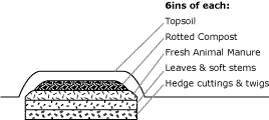
A hotbed is essentially a layered trench filled with organic material that produces heat as it breaks down, warming the soil above it.
It can be used to:
- Warm soil for early planting
- Start seedlings earlier in the season
- Improve soil structure and fertility
- Reduce waste from garden clippings and manure
When to Use a Hotbed
Timing is important.
A hotbed should ideally be constructed shortly before planting, not weeks in advance.
This ensures:
- Maximum heat output at the right time
- Fresh decomposition when crops are ready
- Better control of soil conditions
How to Build a Hotbed (Step-by-Step)
Step 1: Dig the Trench
Dig a trench approximately one spade depth deep.
- Width: around 1 metre maximum for easy access
- Length: flexible depending on space available
Break up the soil at the base using a garden fork to improve drainage and aeration.
Step 2: Add Woody Material
Create a base layer using coarse organic matter:
- Wood chips
- Small branches
- Twigs
- Rough prunings
Depth: 10–15 cm
This layer helps aeration and long-term composting.
Step 3: Add Green Material
Next, add softer green waste:
- Grass clippings
- Vegetable peelings
- Fresh garden waste
- Soft plant stems
Depth: 10–15 cm
This layer provides nitrogen, which fuels decomposition and heat production.
Step 4: Add Animal Manure
Add a layer of well-rotted or fresh manure:
- Horse manure (traditional and highly effective)
- Donkey manure (also excellent)
- Mixed farmyard manure
Depth: around 10 cm
This is one of the key heat-generating layers.
Step 5: Add Rotted Compost
Add a layer of mature compost or similar organic material:
- Garden compost
- Mushroom compost (excellent addition)
Depth: around 10 cm
Avoid using fresh, unfinished compost, as it may contain pathogens or unstable material.
Step 6: Replace the Soil
Finally, replace the original soil over the trench, forming a slightly raised mound.
Water lightly if conditions are dry.
The hotbed is now ready.
What Happens Next?
Once assembled, microbial activity begins breaking down the organic layers beneath the soil surface.
This produces gentle but consistent heat, warming the soil above and creating ideal conditions for early planting.
What Can You Grow in a Hotbed?
Hotbeds are ideal for early crops such as:
- Lettuce
- Spinach
- Radishes
- Salad leaves
- Carrots (early varieties)
- Beetroot
- Spring cabbage
You can also use them to start seedlings earlier than normal.
After the Season: Don’t Waste the Hotbed
Once crops have been harvested, the hotbed becomes an excellent soil improvement system.
You can:
- Dig the decomposed material into surrounding soil
- Use it as a natural soil conditioner
- Improve structure and fertility for future crops
Nothing goes to waste.
Modern Alternatives to Hotbeds
If you don’t want to build a full trench hotbed, you can still warm soil using simpler methods:
1. Cloches
Clear plastic or glass covers trap heat and warm soil quickly.
2. Black Plastic Mulch
Absorbs sunlight and raises soil temperature effectively.
3. Raised Beds
Raised beds warm faster than ground soil due to improved drainage and exposure.
4. Compost Heat Beds
Similar to hotbeds but built inside raised frames or containers.
Common Mistakes to Avoid
Building Too Early
If built too early, the heat peak may pass before crops are planted.
Using Too Much Wet Material
Excess moisture can slow decomposition and reduce heat output.
Ignoring Drainage
Poor drainage can lead to cold, anaerobic conditions.
Frequently Asked Questions (FAQs)
What is a hotbed in gardening?
A hotbed is a trench or container filled with decomposing organic matter that generates heat to warm soil and speed up plant growth.
How long does a hotbed stay warm?
Typically, a hotbed produces heat for 4–8 weeks depending on materials used.
Can I use a hotbed in a small garden?
Yes. You can scale it down or build a mini hotbed in a raised bed or container.
What manure is best for a hotbed?
Horse manure is traditionally preferred because it heats quickly and decomposes well.
Is a hotbed the same as a compost heap?
No. A compost heap breaks down waste, while a hotbed is designed specifically to generate heat under soil for growing crops.
Further Reading
More Growing Guides from The Allotment Garden
- Preparing Soil for Vegetable Growing
https://www.theallotmentgarden.co.uk/improving-garden-soil/ - Early Vegetable Sowing Guide UK
https://www.theallotmentgarden.co.uk/early-vegetable-sowing/ - Raised Bed Gardening Ideas
https://www.theallotmentgarden.co.uk/raised-bed-gardening/ - How to Make Compost at Home
https://www.theallotmentgarden.co.uk/composting-guide/ - Cloches and Season Extension Methods
https://www.theallotmentgarden.co.uk/garden-cloches/ - Organic Gardening Tips for Beginners
https://www.theallotmentgarden.co.uk/organic-gardening/
Recommended External Resources
BBC Gardeners’ World – Early Growing Tips
https://www.gardenersworld.com/how-to/grow-plants/
RHS Soil Preparation Guide
https://www.rhs.org.uk/soil-composts-mulches/soil-preparation
RHS Vegetable Growing Advice
https://www.rhs.org.uk/vegetables
Garden Organic – Soil Health
https://www.gardenorganic.org.uk