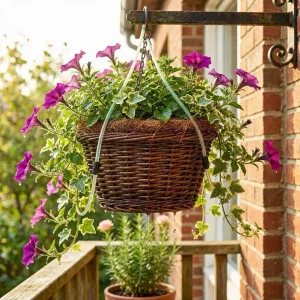
Modern garden irrigation systems have transformed the way home gardeners manage watering.
What was once associated with large-scale agriculture and complex machinery is now widely accessible as simple, affordable, and highly efficient DIY systems suitable for gardens, allotments, hanging baskets, and greenhouses.
Whether you are growing vegetables, maintaining flower borders, or caring for containers, an irrigation system can save time, reduce water waste, and improve plant health.
What Is a Garden Irrigation System?
A garden irrigation system is a structured method of delivering water directly to plants using pipes, hoses, and controlled emitters.
Unlike manual watering, irrigation systems:
- Deliver consistent moisture
- Reduce water waste
- Target plant roots directly
- Can be automated with timers
They are especially useful in dry periods, holiday seasons, or larger gardens where watering becomes time-consuming.
Why Use an Irrigation System in Your Garden?
There are several key benefits to installing a garden irrigation system in the UK climate.
1. Water Efficiency
Rainwater harvesting and controlled delivery significantly reduce water waste.
2. Time Saving
Once installed, systems can run automatically, freeing up hours each week.
3. Healthier Plants
Consistent watering prevents:
- Wilting
- Overwatering cycles
- Drought stress
4. Lower Water Bills
Using collected rainwater can dramatically reduce mains water usage.
5. Holiday Security
Automatic timers ensure plants continue to receive water while you are away.
Using Rainwater for Garden Irrigation
One of the most effective and sustainable methods is using stored rainwater.
The average UK home receives thousands of litres of rainwater annually, much of which can be collected from roofs and stored in water butts.
Rainwater is:
- Naturally soft
- Free of chemicals like chlorine
- Ideal for plant growth
Connecting irrigation systems to rainwater storage is both eco-friendly and cost-effective.
Types of Garden Irrigation Systems
There are several types of systems suitable for UK gardens:
Drip Irrigation Systems
Best for:
- Vegetable beds
- Greenhouses
- Borders
Delivers water slowly and directly to plant roots.
Micro Irrigation Systems
Best for:
- Hanging baskets
- Pots and containers
- Greenhouses
Uses small jets and fine tubing for precise watering.
Sprinkler Systems
Best for:
- Lawns
- Large open areas
Provides broader coverage but less precision.
Soaker Hose Systems
Best for:
- Flower beds
- Vegetable rows
Water seeps gradually along the hose length.
Designing a Flexible Irrigation System
Every garden is different, so a good irrigation system should be adaptable.
Key principles include:
- Custom hose layout
- Adjustable emitters
- Scalable design
- Ability to expand over time
A well-designed system should follow the natural structure of your garden rather than forcing a rigid layout.
Step 1: Connecting Your Irrigation System to a Water Source
The first stage is establishing a water supply.
Using Mains Water
- Attach a tap connector to an outdoor tap
- Optionally install a programmable timer
- Ensure secure, watertight fittings
Using Rainwater Butts
- Connect a hose from the water butt
- Use a pump if gravity feed is insufficient
- Ensure debris is filtered to avoid blockages
Timers can be added to either system for automation.
Step 2: Laying Out the Main Hose
A typical irrigation system uses a 13mm supply hose.
When laying it out:
- Run it around garden beds or structures
- Secure with clips or stakes if needed
- Keep it discreet under mulch or bark
- Use elbow connectors for tight bends
Because the hose is semi-rigid, warm water can help soften it for easier fitting during installation.
At the end of the run, an end-stop fitting seals the system.
Step 3: Installing Jets and Emitters
Jets and emitters control how water is delivered to plants.
How to Install:
- Use a punch tool to create a hole in the main hose
- Insert the connector or emitter
- Attach microbore tubing if needed
- Position the jet near plant roots
Types of Emitters:
- Drippers (slow, targeted watering)
- Sprayers (broader coverage)
- Adjustable jets (flexible flow control)
- Micro sprinklers (for small areas)
Stakes can be used to raise emitters above foliage for improved coverage.
Step 4: Using Timers and Automation
One of the most valuable features of modern irrigation systems is automation.
Timers allow you to:
- Set watering schedules
- Adjust frequency seasonally
- Run systems while away
- Reduce overwatering risk
Smart irrigation controllers can even respond to weather conditions.
DIY Installation vs Professional Systems
Most home irrigation systems are designed for DIY installation.
Advantages of DIY Systems:
- Lower cost
- Custom layout flexibility
- Easy expansion
- Simple maintenance
When Professional Systems Help:
- Very large gardens
- Complex landscaping
- Commercial growing setups
For most home gardeners, DIY systems are more than sufficient.
Common Irrigation Mistakes to Avoid
- Overwatering containers
- Poor emitter placement
- Not testing pressure before setup
- Ignoring seasonal adjustments
- Using untreated dirty water without filtration
Proper setup ensures long-term reliability.
Environmental Benefits of Garden Irrigation Systems
Efficient irrigation supports sustainability by:
- Reducing mains water usage
- Encouraging rainwater harvesting
- Preventing water runoff waste
- Supporting healthier soil ecosystems
It is one of the simplest ways to make a garden more environmentally responsible.
Frequently Asked Questions
Are garden irrigation systems worth it?
Yes. They save time, reduce water usage, and improve plant health.
Can I use rainwater with an irrigation system?
Yes. Rainwater is ideal and often better for plants than mains water.
Do irrigation systems use a lot of water?
No. Drip and micro systems are highly efficient and reduce waste.
Can I install an irrigation system myself?
Yes. Most modern systems are designed for DIY installation.
How long do irrigation systems last?
With proper maintenance, systems can last many years.
Further Reading
Explore more practical gardening systems and water-saving techniques:
The Allotment Garden
External Resources
https://www.gardenersworld.com
https://www.gardenorganic.org.uk
Final Thoughts
Garden irrigation systems are no longer complex or expensive technologies reserved for large-scale agriculture.
Today, they are practical, flexible tools that any gardener can use to improve efficiency and plant health.
By combining rainwater harvesting, smart layout design, and simple automation, you can create a system that keeps your garden thriving while reducing effort and water consumption.
In many cases, the biggest benefit is not just healthier plants—but more time to actually enjoy your garden.


